PG markPaddockGavinDay shift
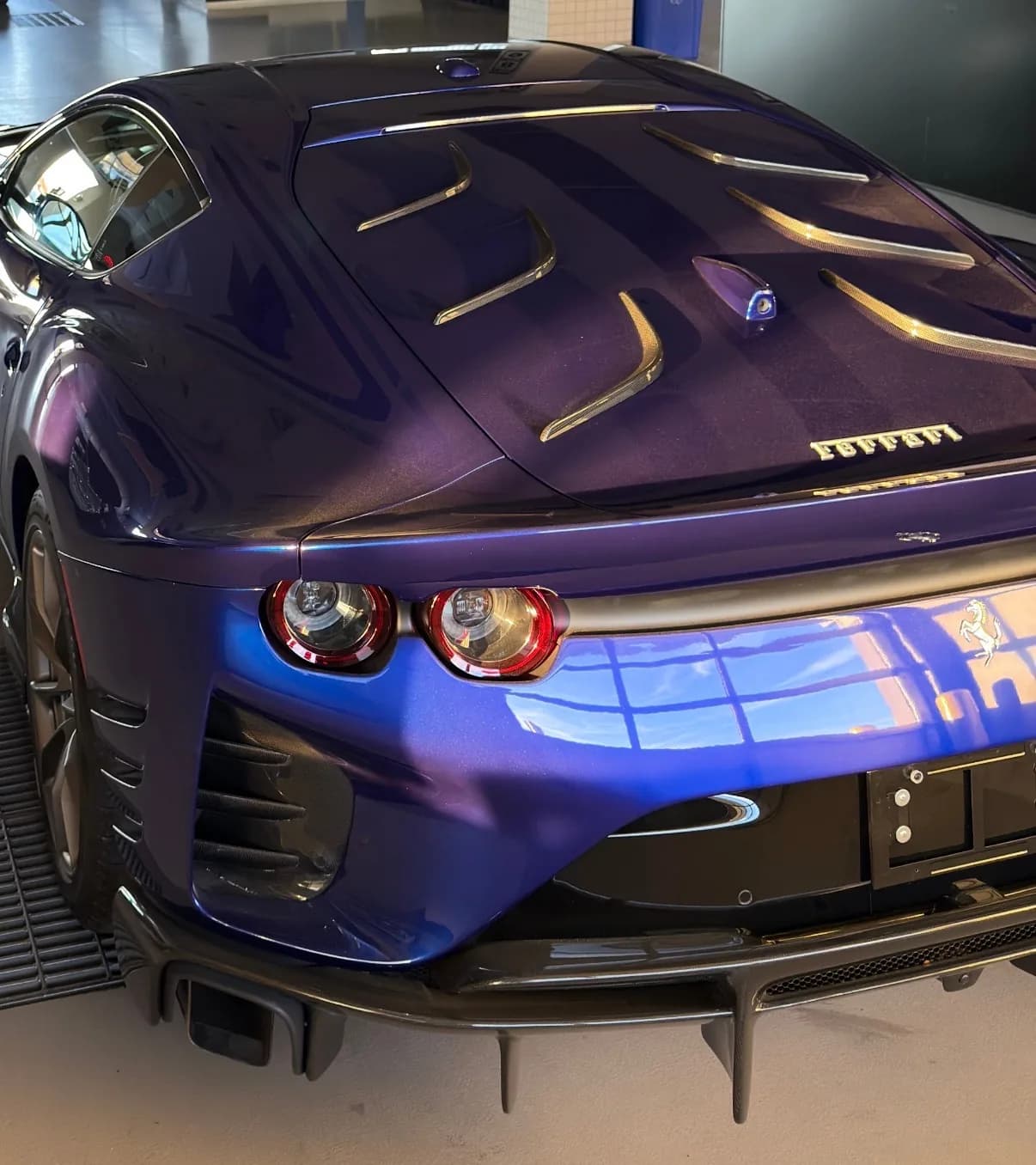
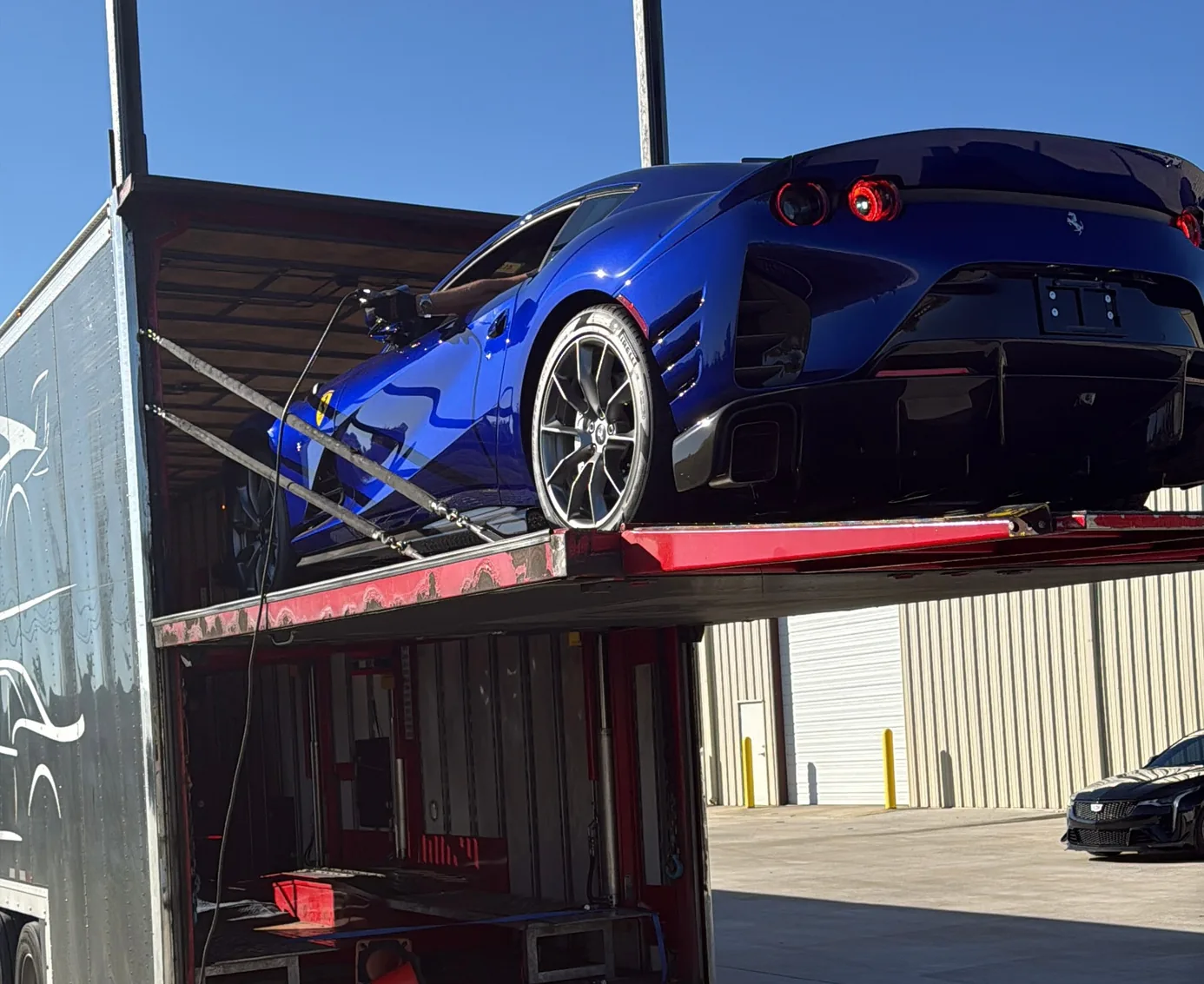
A Ferrari 812 Competizione backed off a transporter, rear glass replaced with a vented panel

The Paddock Files · Entry 01

The 812 Competizione

One of 999. The highest-revving engine Ferrari has ever put in a road car, and by the brand’s own telling, the last and purest expression of its front-engine V12 before the lineup turns hybrid.

A transporter backed up to the bay with an 812 Competizione on the top deck. It was not mine. It came through while I was running lot operations, and this is what it looked like up close before it went anywhere.

The reveal

It arrived with the rear glass deleted

Ferrari had pulled the rear glass out entirely and put a vented aluminium panel in its place, three pairs of fins pressed straight into the metal. That does not read from a photo of a truck. Standing behind the car, it is the first thing you notice.
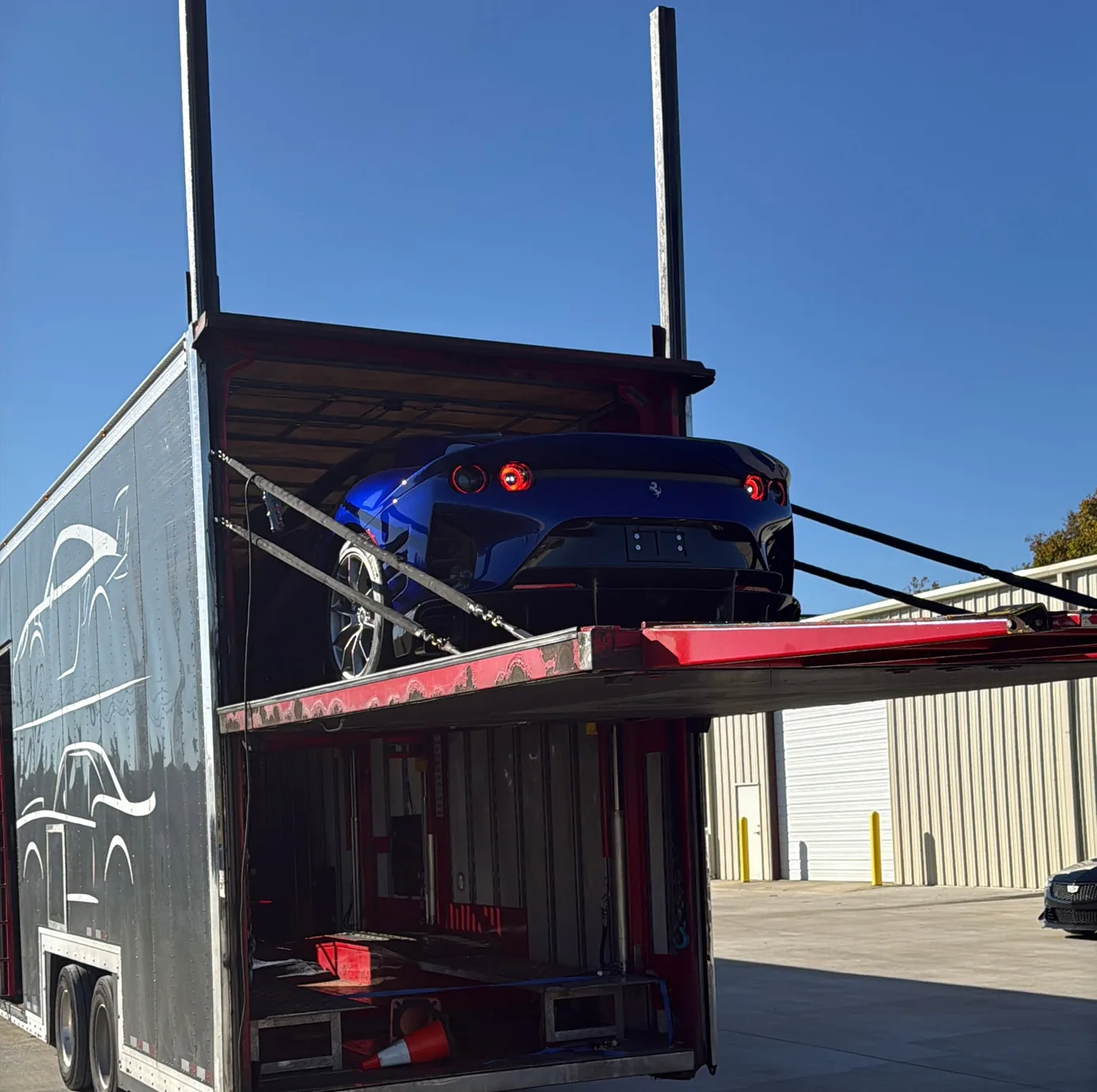
The 812 Competizione on the transporter's top deck, seen from below and behind
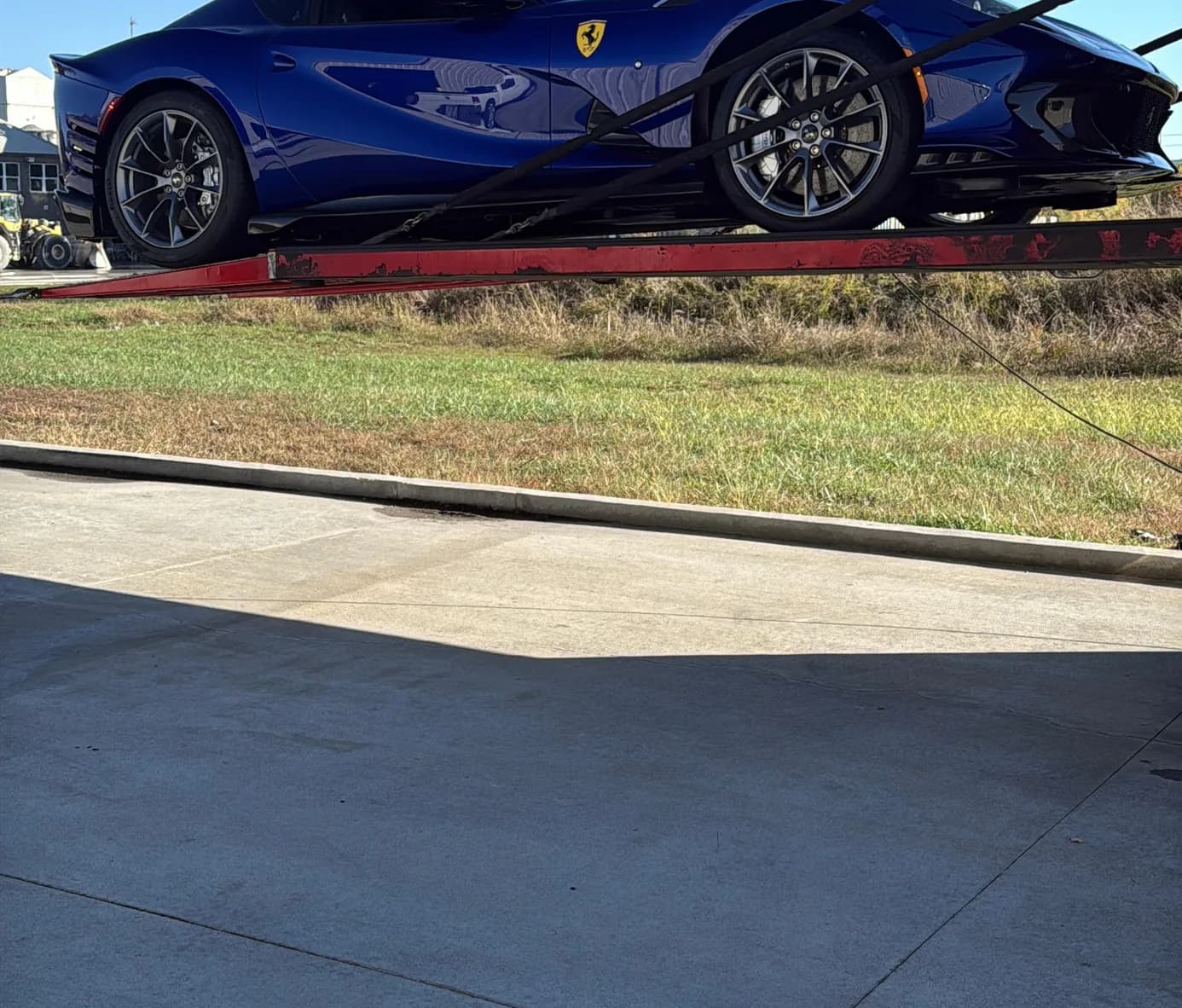
A side profile of the car on the transporter's ramp, outdoors in full sun

“It is the highest-revving engine Ferrari has ever put in a road car.”

The numbers

What Ferrari built, not what this one has

These figures describe the 812 Competizione as a model. They say nothing about the specific car in these photos, which is the point.

Engine
6.5L naturally aspirated V12
Power
819 hp at 9,250 rpm
Torque
510 lb-ft at 7,000 rpm
Redline
9,500 rpm, the highest in any road-going Ferrari
Transmission
7-speed dual-clutch
Drivetrain
Rear-wheel drive, four-wheel steering
0 to 62 mph
2.85 seconds
0 to 124 mph (est.)
7.5 seconds
Top speed
211 mph
Dry weight
1,487 kg / 3,278 lb
Weight distribution
49% front, 51% rear
Tyres
Michelin Cup2R
Production
999 coupés, 599 Aperta convertibles

Figures marked (est.) are enthusiast estimates compiled from public sources, not published by Ferrari. This page is not affiliated with, sponsored by, or endorsed by Ferrari S.p.A.

What makes it different

Three things a spec sheet undersells

The vented aluminium rear panel that replaces the glass, seen from above in showroom light

Glass delete

The rear window is gone

Ferrari pulled the rear glass out entirely and put a vented aluminium panel in its place, three pairs of fins pressed straight into the metal, a production first for the brand. Ferrari's own figure is roughly 10% more rear downforce than the 812 Superfast carries. It manages the air coming off the roof instead of showing what is behind it, and it is the one detail a photo does not prepare you for.

The panel Ferrari uses instead of a window.

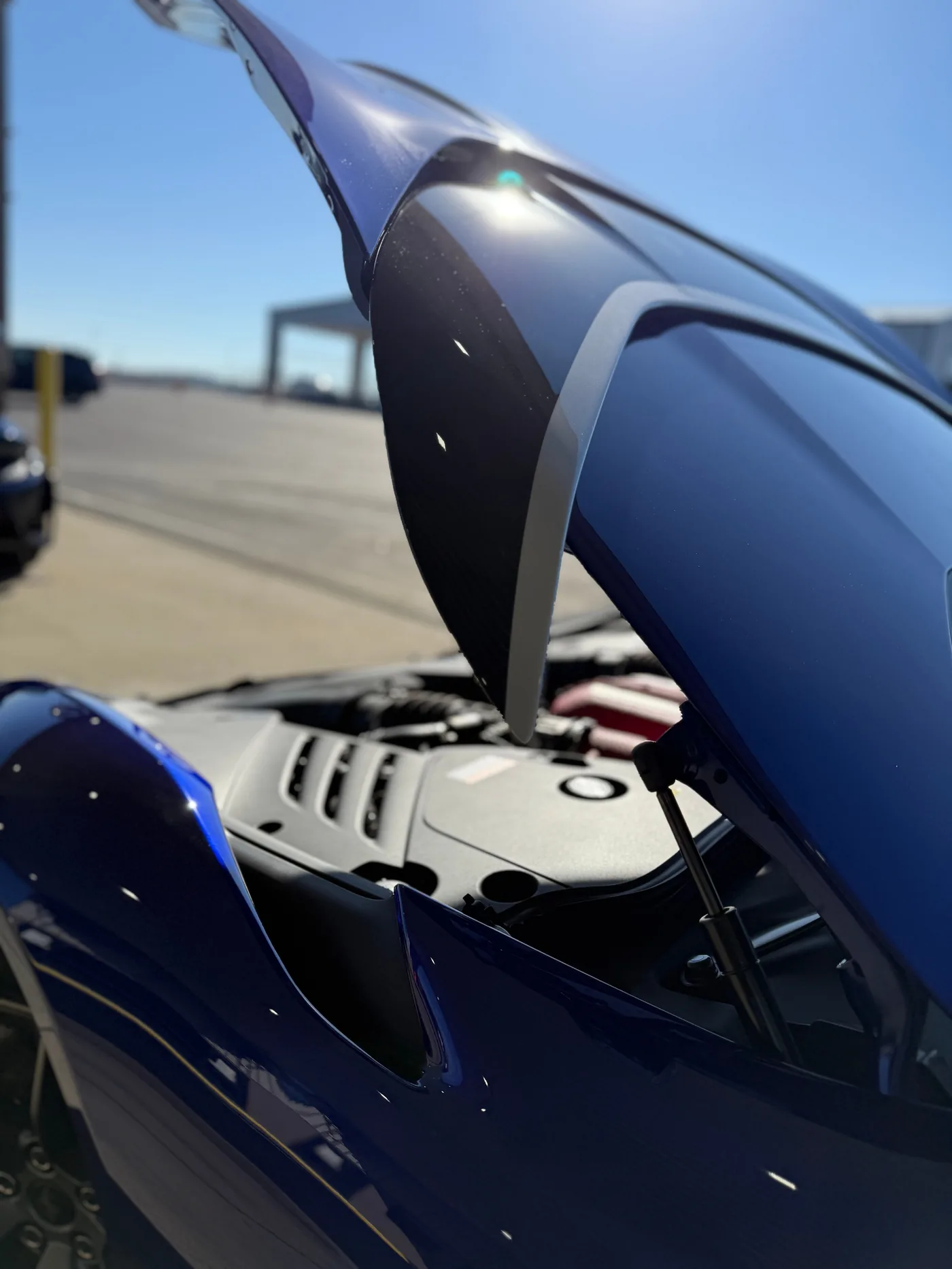
The carbon fibre air blade fixed above the open bonnet

Bonnet architecture

A carbon blade over the intakes

A fixed carbon fibre blade sits above the front clamshell and steers air over the car instead of into it, with louvres at the fender tops to let the wheel arches breathe. None of it is there to look fast. It is there to keep the front end planted at a top speed most cars never see.

Fixed, not decorative. It has a job to do at speed.

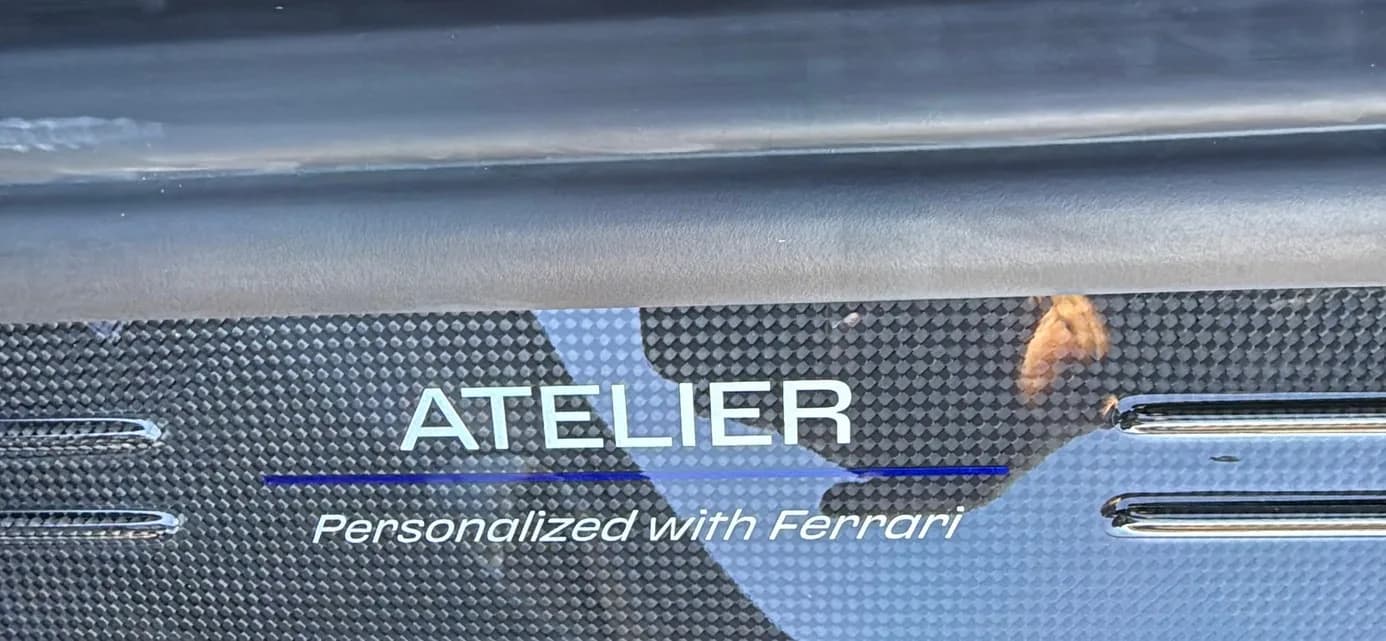
The ATELIER sill plate reading Personalized with Ferrari

Atelier

Built through Ferrari's personalization programme

Cars built through Atelier carry paint mixed to sample, stitching in a colour nobody else ordered, and carbon or forged options a standard order sheet does not offer. This one went through that programme. What exactly was chosen is between the buyer and Ferrari; the plate further down records it, and the plate is why the specifics stay off this page.

Personalized with Ferrari, on the sill.

Inside

A cockpit built around the redline

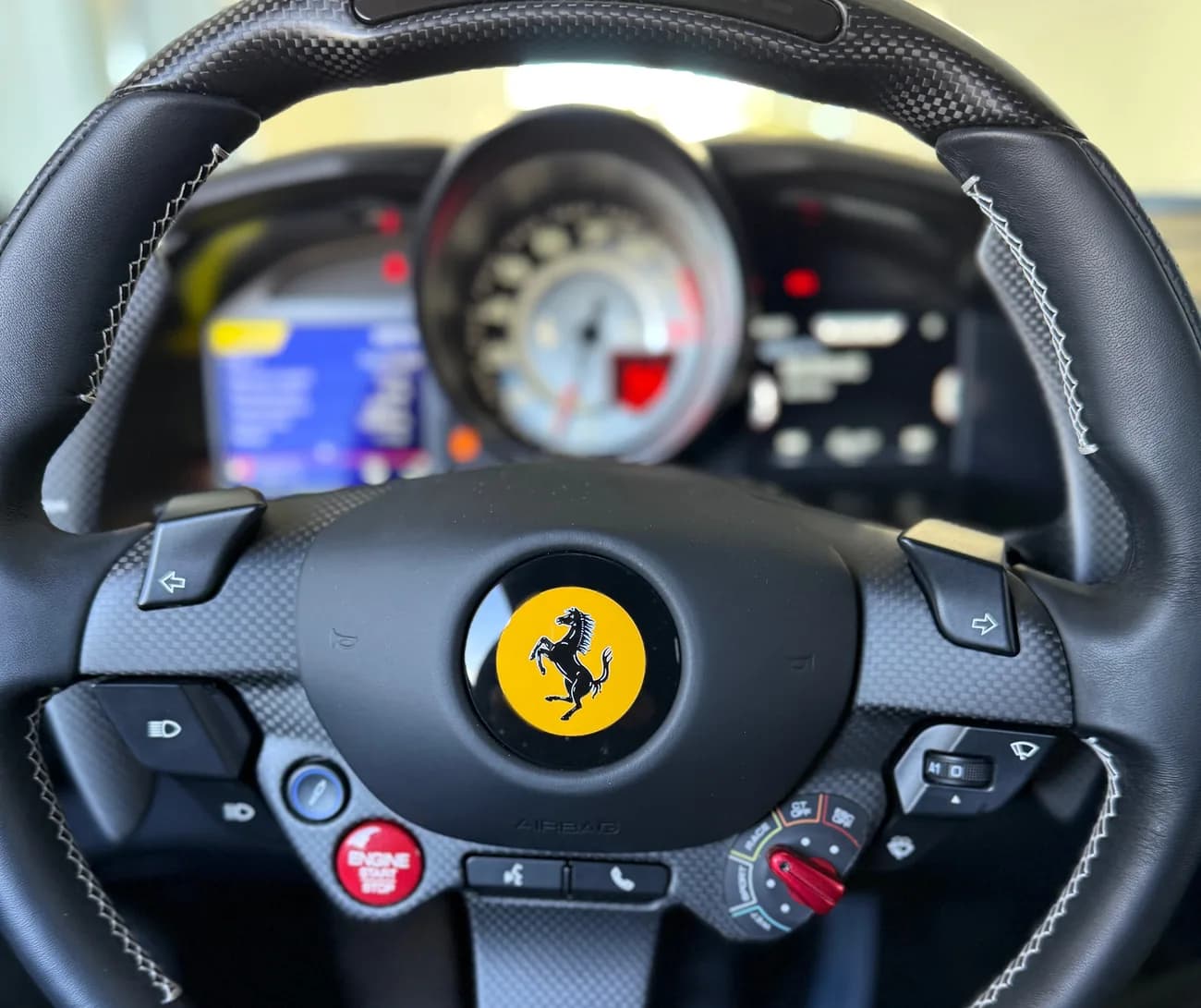
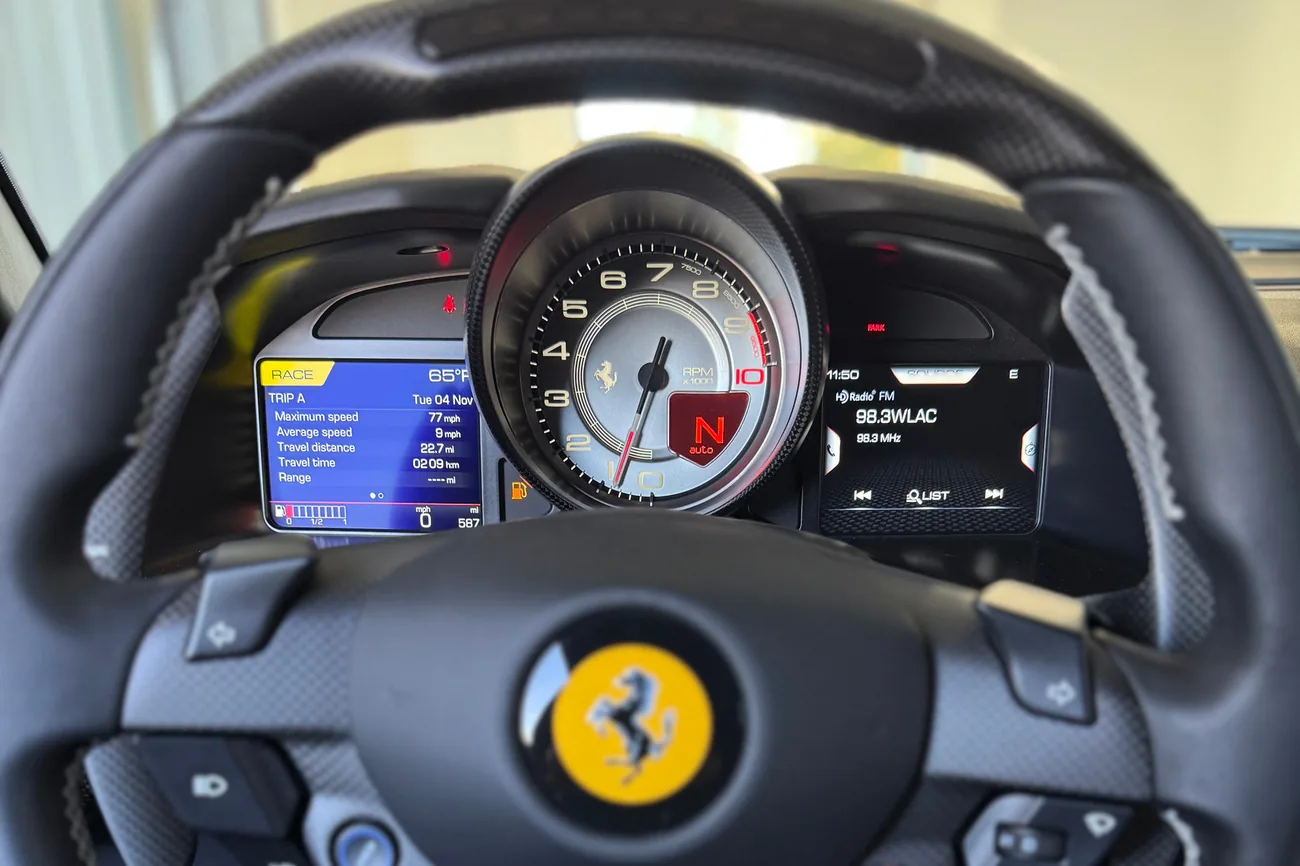
The tachometer sits dead centre, white-faced, flanked by two customizable TFT displays, and everything either side of the wheel rim is a touch control or a paddle. It is part of what Ferrari calls the Carbon Driver Zone, the same logic as a Formula 1 car: nothing critical is more than a thumb away from the wheel.

The carbon fibre steering wheel, instrument cluster visible behind it
A closer view of the instrument cluster and its white-faced tachometer

Up close

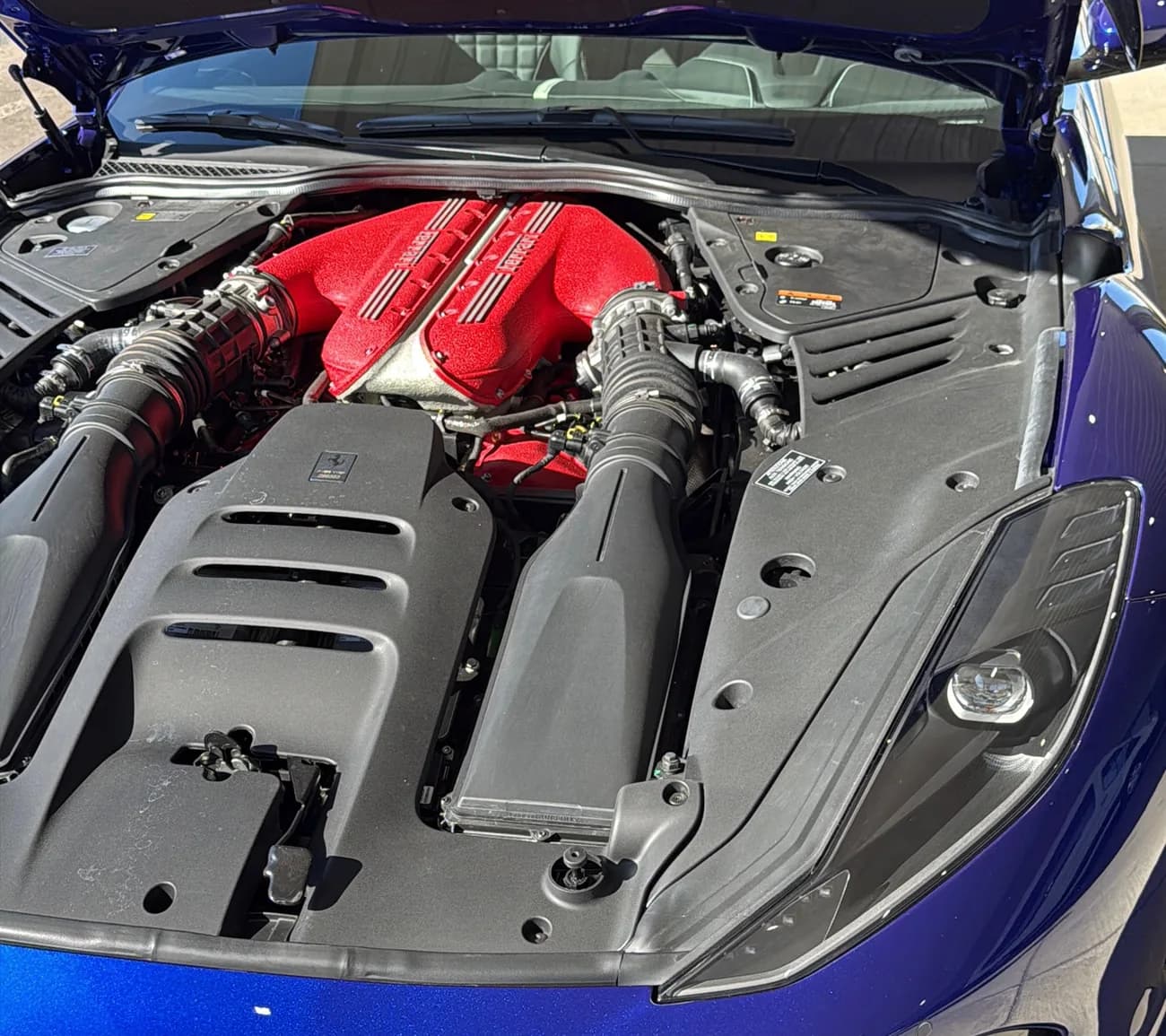
The V12, and the hardware underneath it

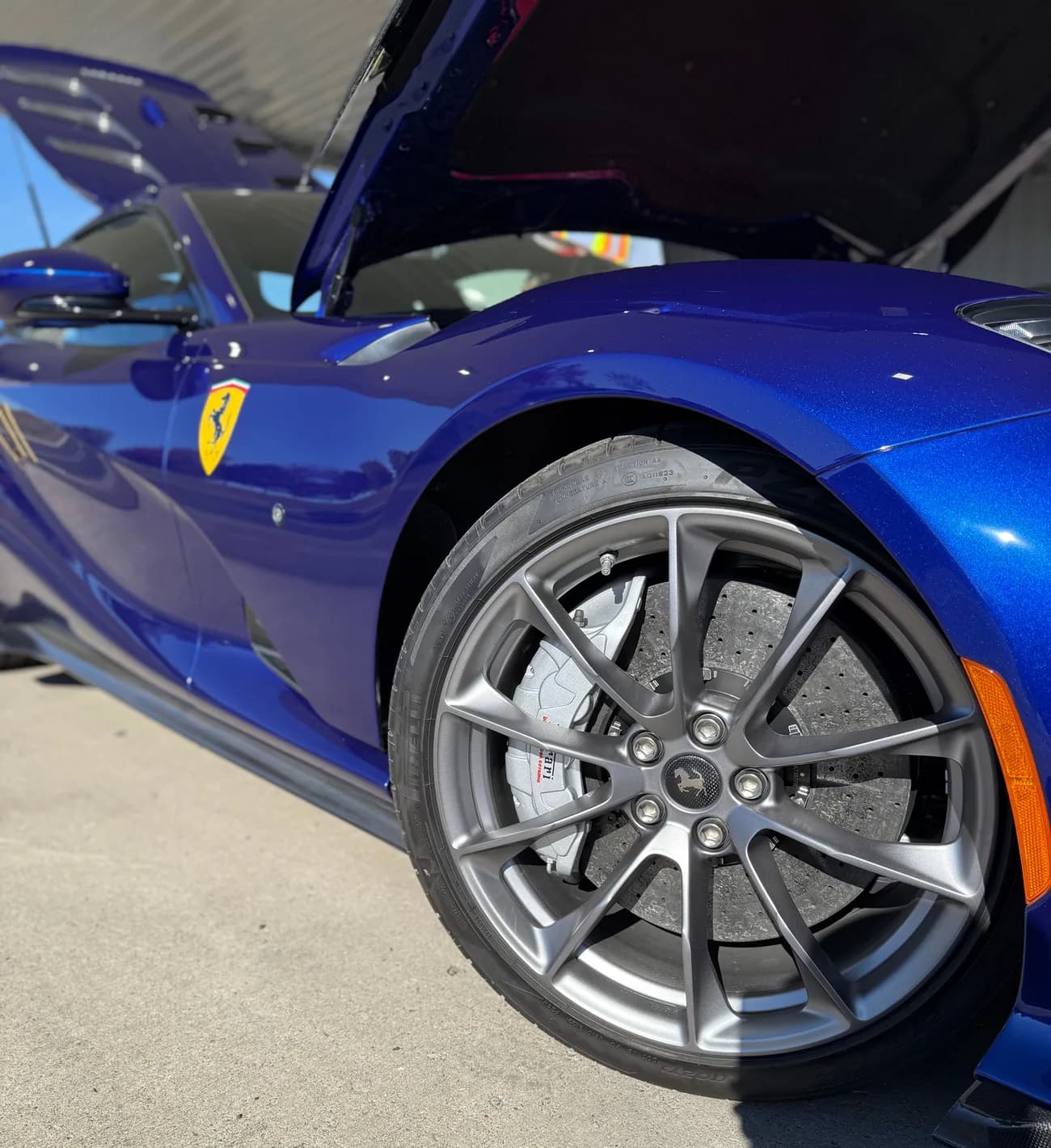
No turbocharger anywhere near it, and a redline higher than any road-going Ferrari has carried. Underneath, forged 20-inch wheels and carbon ceramic rotors do the stopping, gripped by brushed aluminium calipers with the Ferrari script cast into them.

The naturally aspirated V12 engine, red cam covers visible under the open bonnet
A forged wheel and carbon ceramic brake rotor, low angle

The build sheet

One plate, and the parts we are not printing

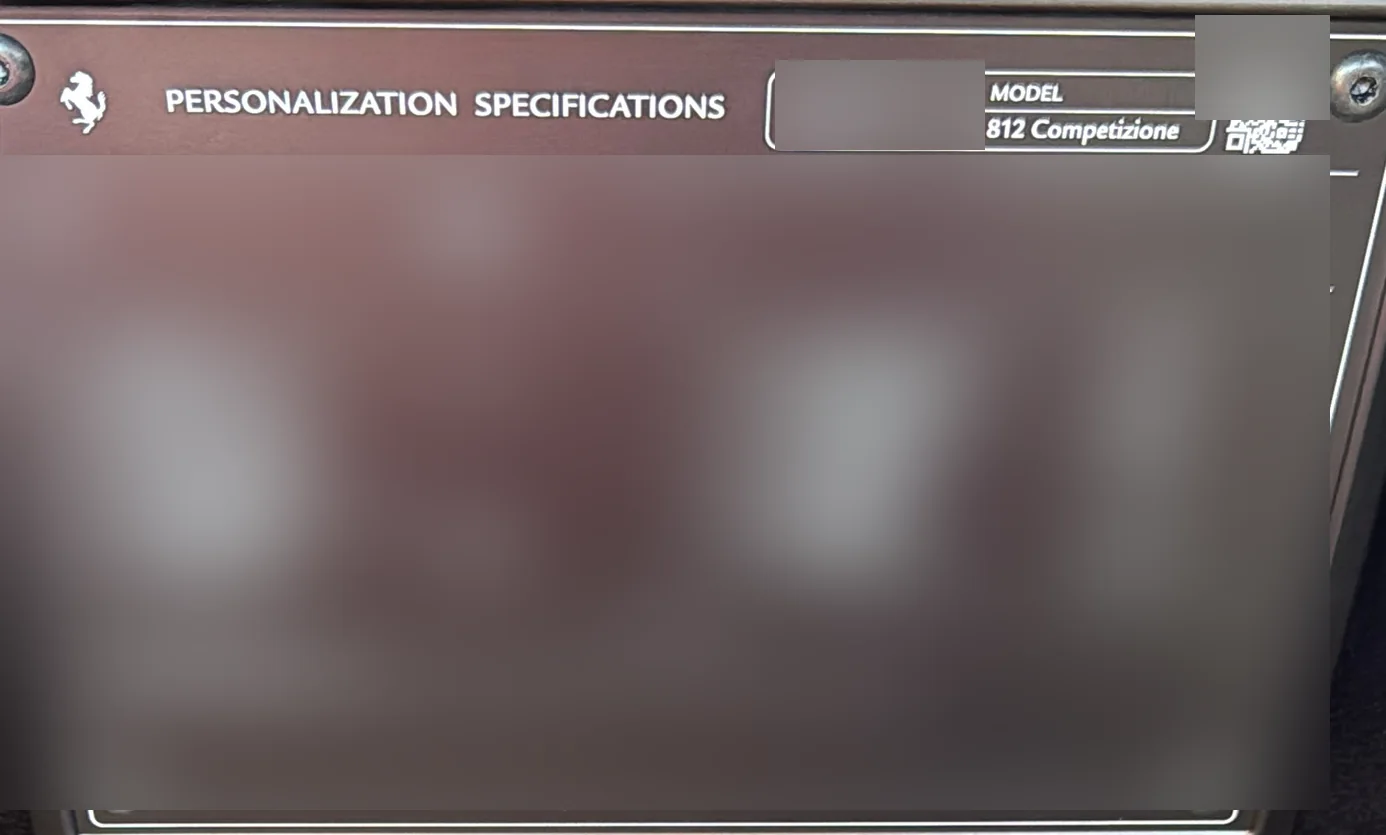
Every Atelier car carries a plate like this one, riveted under the boot lid: a serial number, the model, and every option chosen against a blank sheet. The car in these photos was personalized down to a two-layer paint and a set of forged wheels finished to match. The serial number and the full configuration are blurred below. They identify one specific car and the person who ordered it, and neither is this page’s to publish.

The Atelier personalization plate, model name and header legible, serial number and configuration blurred

Ferrari’s own record of the build. The number is the owner’s, not this page’s.

Where it fits

Documented on the lot, not in the garage

This car passed through lot operations while I ran it, before that role ended in September 2026. It was never mine, so it does not sit in the garage, which is the register of what I have actually owned. It sits here instead, in The Paddock Files, under PaddockGavin, then trading as GoTime Motorsports, which is who documented it.

How the lot ranMore from The Paddock FilesThe garage